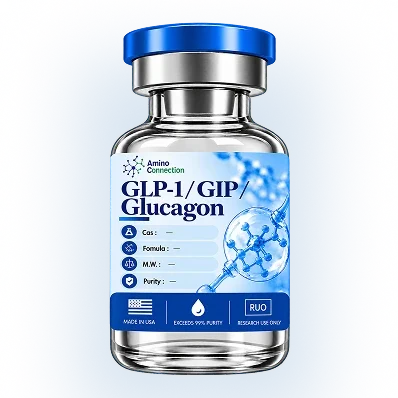
GLP-1 / GIP / Glucagon
From $179.00
10 mg | 30 mg | 60 mg | 100 mg
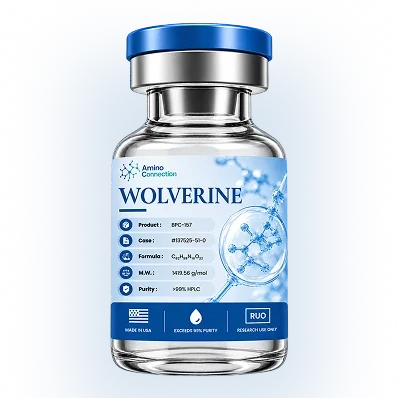
A synthetic triple agonist engaging the GIP, GLP-1 and glucagon receptors.

Carefully sourced research peptides with a focus on purity, testing, and the details that matter, right down to the vial.
 100%Made in USA
A synthetic triple agonist engaging the GIP, GLP-1 and glucagon receptors.
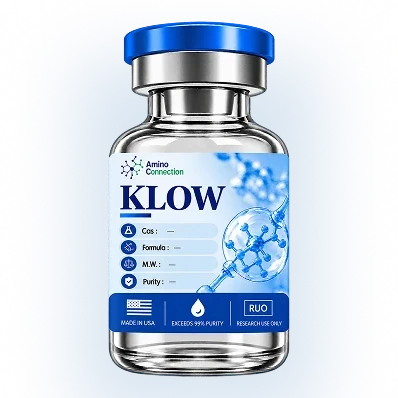
A four-peptide research blend combining GHK-Cu, BPC-157, TB-4 and KPV.
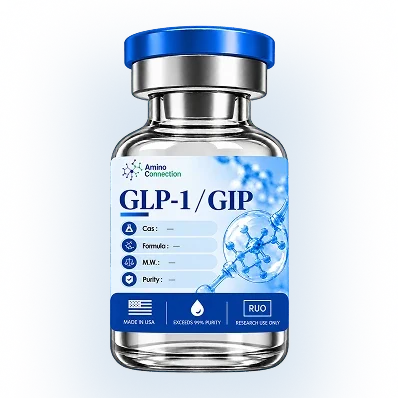
A synthetic dual agonist engaging both the GIP and GLP-1 receptors.
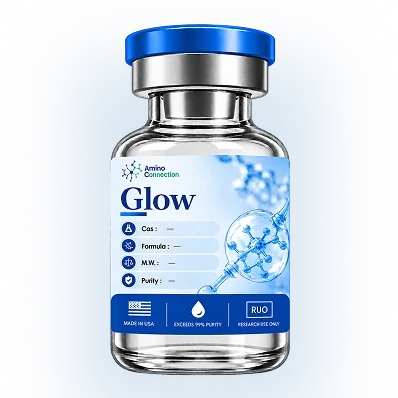
A three-peptide research blend combining GHK-Cu, BPC-157 and TB-4.
A research peptide combination bringing together BPC-157, TB-4 (Thymosin Beta-4), and KPV.
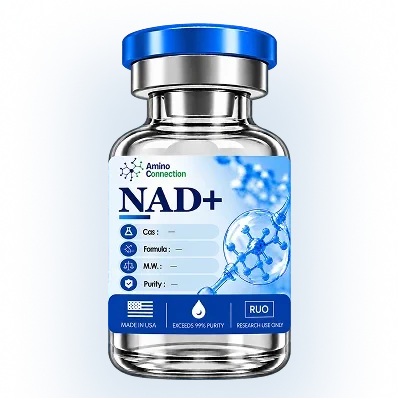
A fundamental coenzyme present in all living cells, central to energy metabolism and redox biology.
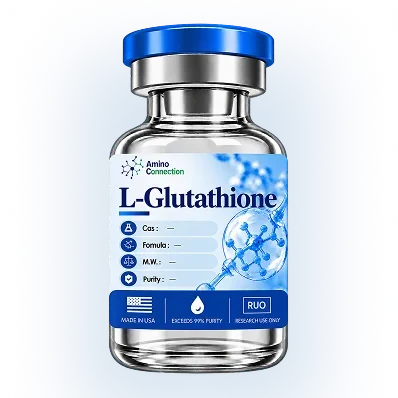
A naturally occurring tripeptide of glutamic acid, cysteine and glycine, and one of the most studied endogenous antioxidants.
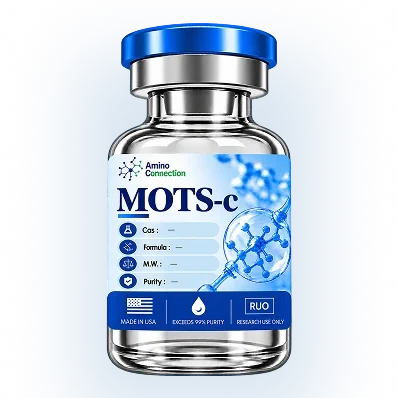
A mitochondria-derived peptide encoded within the mitochondrial 12S rRNA gene, studied in metabolic regulation.
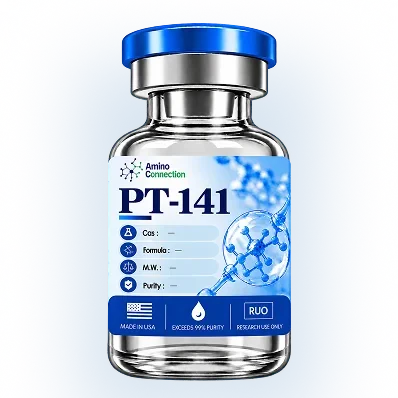
Also known as Bremelanotide, a synthetic cyclic heptapeptide analogue of α-MSH with central melanocortin activity.
Quality goes beyond what’s inside the vial. From where a product is sourced to how it’s tested, packaged, and documented, we look at the complete picture.
Four steps. One standard focused on consistency, transparency, and the details that support reliable research.
Explore our standardsWe look beyond price alone, considering product specifications, consistency, documentation, and the supply chain behind each product.
Explore sourcingAvailable analytical information provides greater visibility into identity, purity, and other product characteristics.
Testing & transparencyThe vial matters, too. We prioritize quality glass selected for chemical resistance, stability, and compatibility with sensitive materials.
Glass & packagingKnow what you’re ordering before it reaches your cart, with product-specific details, specifications, storage requirements, and handling guidance.
Shop products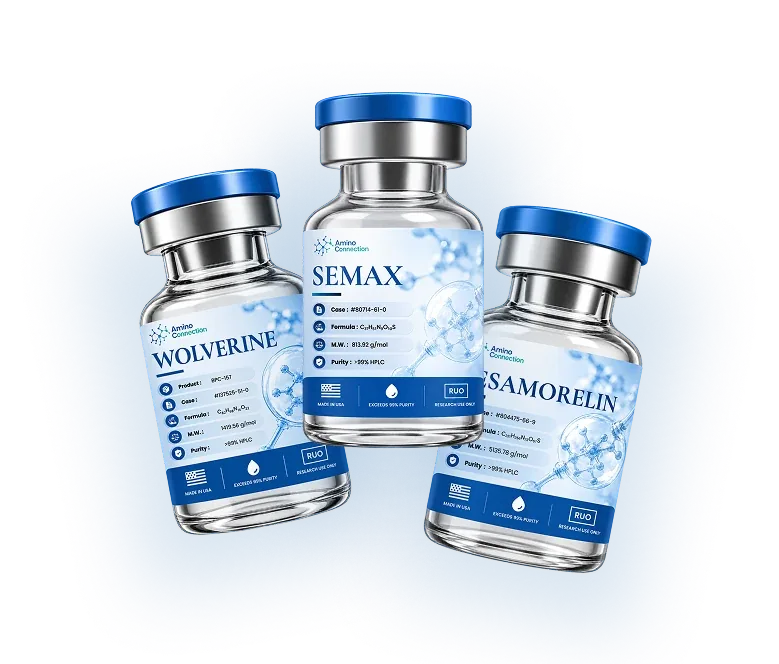
Quality doesn’t stop with the compound. The vial itself comes into direct contact with the material inside, which is why glass quality is part of our standard.
We prioritize high-quality glass selected for chemical resistance, stability, and low surface reactivity, helping reduce another unnecessary variable in research.
Straightforward guides to peptide research, product quality, testing, storage, and the details behind the materials you work with.

Peptides show up frequently in modern laboratory research, but the terminology can make the subject seem more complicated than it needs to be.

“99% purity” is one of the most recognizable claims in research peptides. It’s also one of the easiest numbers to misunderstand.

Quality doesn’t stop when a research product arrives. How a material is stored and handled can influence its stability over time.
Find quick answers about our products, quality standards, storage and ordering.
Research use only means that Amino Connection products are supplied exclusively for lawful laboratory, analytical, and scientific research.
Our products are not intended for human or veterinary use, diagnostic or therapeutic use, food use, cosmetic use, or household applications.
Yes, but you don’t need an account to start shopping.
You can browse products and build your cart first. When you’re ready to complete checkout, simply create a Private Account or log in to your existing account.
There is no separate application or approval process for a standard Private Account.
A Private Account is the standard customer account used to complete retail purchases through AminoConnection.com.
Your account also gives you a convenient way to access order information and manage your account details for future purchases.
Amino Connection works with qualified testing partners and uses appropriate analytical testing methods to evaluate research materials for characteristics such as identity, purity, and consistency.
Testing methods and documentation may vary by product or lot. Refer to the applicable product documentation for specific testing information.
For optimal long-term stability, lyophilized peptides should generally be stored frozen at approximately -20°C (-4°F) and protected from direct light and moisture.
Short-term refrigerated storage at 2 to 8°C (36 to 46°F) may be appropriate for certain products.
Storage requirements can vary, so always refer to the product label or lot-specific documentation for information applicable to the material you receive.
Domestic orders ship at a flat rate of $10, however many items are in the order.
Free standard shipping is available on qualifying domestic orders over $500. Any additional shipping methods and charges will be displayed during checkout.
Join the Amino Connection Affiliate Program and earn up to 20% commission on qualifying purchases you refer.