

The glass matters, too.
You pay attention to what is inside the vial. The vial itself comes into direct contact with that material, which is why glass quality is part of our standard rather than an afterthought.
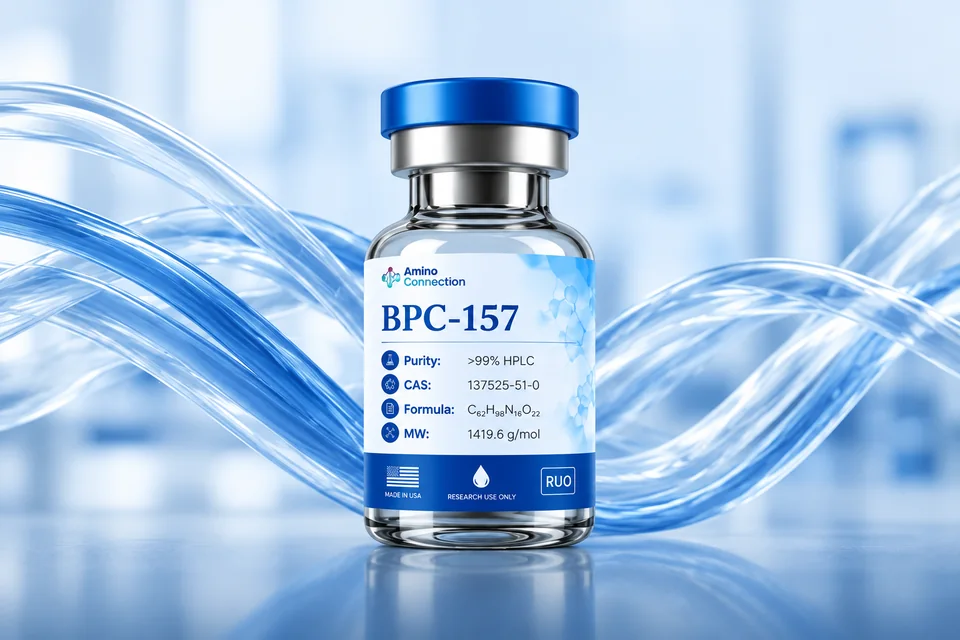
Two vials can look identical and be made of very different glass
Soda lime glass is inexpensive and widely used. Type I borosilicate is designed for applications where chemical resistance and material stability matter. You cannot tell them apart by looking.
Standard soda lime glass
More susceptible to interaction with its contents under certain conditions.
Trace components can migrate from the glass surface depending on formulation and environment.
Microscopic imperfections or degradation introduce another variable into research.
Type I borosilicate glass
Designed to minimise interaction between the container and its contents.
Resists the release of soluble components from the glass surface.
Well suited to sensitive laboratory applications.
Widely used across pharmaceutical and laboratory environments.
You can’t control what you can’t see
Glass quality is not something you can judge by holding a vial up to the light. That is precisely why it deserves attention rather than assumption.
Protecting the integrity of a research product shouldn’t stop once the product is made.
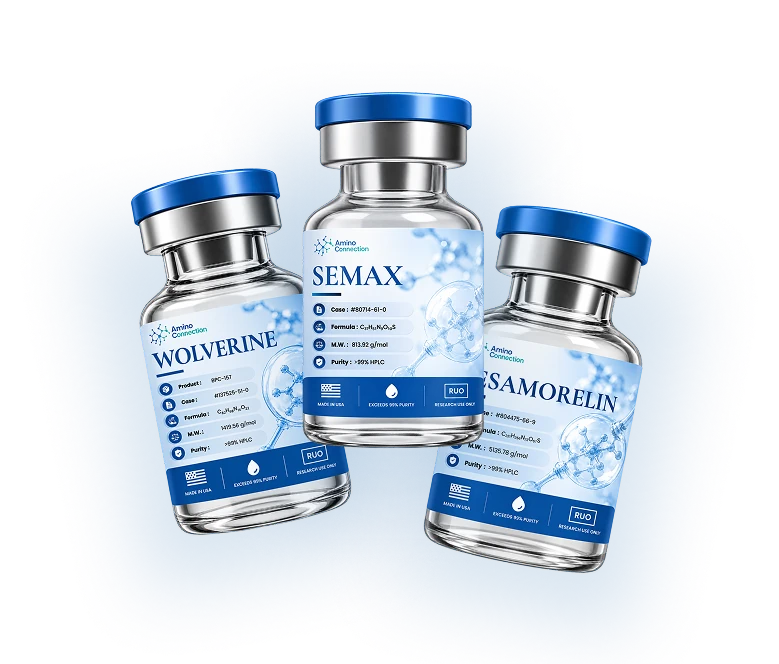
The vial is one part of the standard
Packaging sits alongside everything else we look at before a product reaches you.
Where products and materials come from.
Available analytical documentation.
Materials chosen for compatibility.
Handling guidance that protects integrity.
The full picture: how sourcing, testing, packaging and documentation fit together.