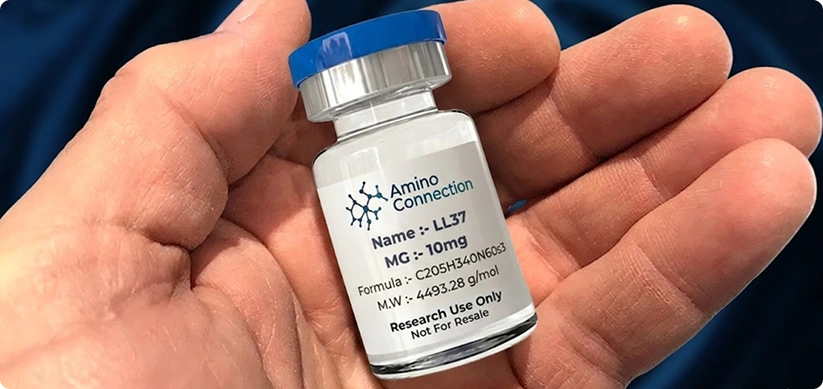
Quality and transparency are essential foundations in the field of scientific research. Research materials play a critical role in laboratory testing, experimental accuracy, and data reliability, making it important for researchers and organizations to source materials that meet strict quality standards. Maintaining transparency throughout the supply and testing process helps build trust, improve reproducibility, and support reliable scientific outcomes.
One of the key aspects of quality assurance is proper testing and verification. Reputable suppliers often provide detailed documentation such as Certificates of Analysis (COA), purity reports, and laboratory testing data. These documents allow researchers to confirm the composition, consistency, and handling standards of the materials being used. Consistent quality control procedures reduce the risk of contamination, inaccurate results, and experimental inconsistencies.
Transparency in sourcing and manufacturing processes is equally important. Suppliers that openly share information about production methods, storage conditions, and safety protocols demonstrate a stronger commitment to professional research standards. Clear labeling, traceable batch information, and accessible customer support further enhance confidence in research materials and supplier reliability.
Modern research environments also require compliance with industry regulations and laboratory safety standards. Ethical sourcing practices, secure packaging, and accurate product documentation help ensure that materials are handled responsibly throughout the supply chain. This level of accountability is particularly important for research institutions, pharmaceutical development, and biotechnology studies where precision and compliance are critical.
As scientific innovation continues to advance, the demand for reliable and transparent research materials is growing rapidly. By prioritizing quality assurance and supplier transparency, researchers can improve experimental consistency, support accurate findings, and contribute to higher standards across the scientific community.